
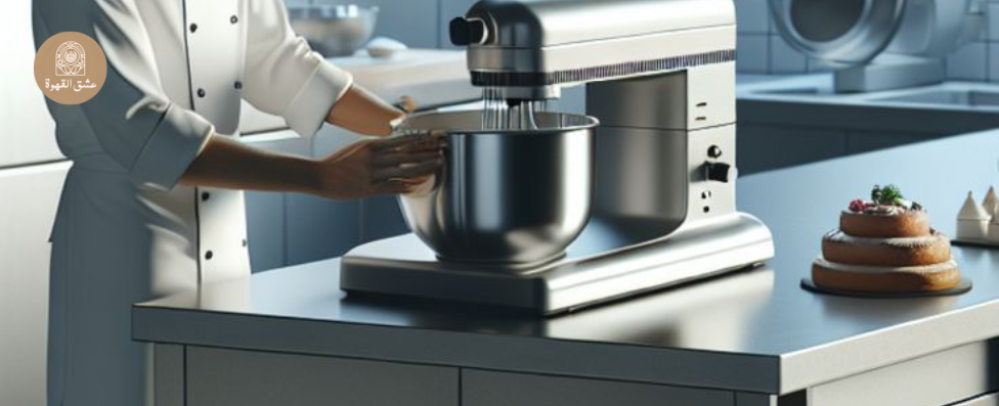
The success of any restaurant begins with proper and meticulous equipment, as the quality of equipment is the cornerstone of workflow and achieving a professional level in service and food provision. The process of equipping restaurants is not limited to purchasing basic tools, but includes carefully selecting each piece, starting from cooking tools, pans, and baking ovens, through refrigeration and freezing equipment, and up to display equipment and serving tools. All this equipment has a major role in facilitating daily operations within the kitchen, reducing wasted time, and ensuring that food is presented in the best way and with the highest quality, which is directly reflected in customer satisfaction and increased loyalty.
The importance of equipping restaurants with high-quality equipment for the success of the project
- Equipping restaurants with high-quality equipment ensures smooth workflow within the kitchen without interruptions or sudden breakdowns.
- Durable equipment reduces long-term maintenance and replacement costs, thus saving the restaurant significant financial resources.
- Choosing the right restaurant equipment helps to serve food quickly and with consistent quality, which improves the customer experience and increases their satisfaction.
- Good equipment reflects a professional image of the restaurant to customers and increases its credibility in the market.
- Investing in high-quality restaurant equipment increases team efficiency and reduces errors caused by impractical or poor-quality tools.
Types of essential equipment needed in any kitchen
When setting up a restaurant, it is important to know the types of basic equipment that any kitchen needs to ensure efficient operation. This equipment can be divided into main categories:
1. Basic cooking equipment
- This includes ovens, stoves, pans, and grills.
- This equipment helps to prepare food quickly and with consistent quality and is considered the heart of any successful kitchen when equipping restaurants.
2. Refrigeration and freezing equipment
- Refrigerators, freezers, and cold display units.
- It keeps ingredients fresh and ensures food safety, which is essential when setting up restaurant equipment professionally.
3. Preparation and assistance tools
- It includes dough mixers , blenders, cutters, sorting and slicing tools.
- It makes preparing recipes quick and reduces the effort required in daily work.
4. Presentation and display equipment
- Serving trays, food display equipment, and customer service tools.
- It contributes to presenting food in an organized and attractive manner, which enhances the customer experience inside the restaurant.
5. Cleaning and maintenance tools
- Includes sink, appliances for washing dishes, and cleaning equipment .
- Maintaining kitchen cleanliness is essential to ensuring work efficiency and food quality when setting up complete restaurant equipment.
How to choose durable and practical restaurant equipment
- Before purchasing, accurately determine your kitchen needs so that you can choose restaurant equipment that suits the size of the business and the type of food served.
- Choose restaurant equipment made from durable materials such as stainless steel to ensure a long lifespan and withstand intensive daily use.
- Make sure the equipment is easy to use and clean. Practical equipment saves the kitchen team time and effort and speeds up the workflow.
- Check the energy efficiency of the equipment; economical devices help reduce operating costs in the long run.
- Look for trusted brands that offer a warranty and after-sales service to ensure support and maintenance when needed.
- Test the equipment before purchasing, if possible, to ensure it is suitable for the size of the kitchen and the nature of the work when equipping restaurants.
Tips for efficiently arranging and organizing equipment inside the kitchen
- Arrange restaurant equipment according to daily use and place the most frequently used equipment in easily accessible locations to speed up work.
- Allocate specific areas for each type of equipment such as cooking, cooling, and preparation to reduce clutter and increase efficiency.
- Use shelves and racks to store tools in an organized way, with labels to make it easy to find each piece quickly.
- Maintain sufficient spacing between equipment to ensure smooth team movement and avoid accidents inside the kitchen.
- Develop a clear plan for cleaning and maintaining equipment on a regular basis to ensure continued operational efficiency when equipping restaurant equipment continuously.
The main benefits of equipping restaurants with appropriate equipment and tools
- Equipping restaurants with suitable equipment improves order fulfillment speed and reduces customer waiting time.
- Maintaining food quality and safety is guaranteed, which increases customer satisfaction and loyalty to the restaurant.
- It increases the efficiency of the work team and reduces errors resulting from the use of impractical or weak equipment.
- It reduces long-term maintenance and replacement costs thanks to the use of durable and practical equipment.
- It projects a professional image of the restaurant to customers and enhances its market position when equipped with high-quality restaurant equipment.
Common mistakes when buying equipment and how to avoid them
- Purchasing restaurant equipment without specifying the actual needs leads to acquiring unnecessary or unsuitable tools for the size of the kitchen.
- Relying solely on low prices without considering quality causes frequent breakdowns and increased maintenance costs later on.
- Ignoring brand reputation and after-sales service makes it difficult to obtain spare parts or support when needed.
- Choosing equipment that is complex to use slows down the team's work and increases the likelihood of errors during operation.
- Failure to plan the placement of equipment leads to chaos inside the kitchen and difficulty in movement, so it is important to arrange each piece carefully when setting up restaurant equipment.
Equipment maintenance and care guide to ensure a long lifespan
To maintain the long lifespan of restaurant equipment, it is important to follow a periodic maintenance schedule that includes regular cleaning and inspection of equipment to ensure that it is working properly and using appropriate cleaning methods for each type of equipment. This ensures avoiding corrosion and premature breakdowns, and paying attention to the care of equipment when setting up restaurant equipment ensures its continued efficiency and reduces repair and replacement costs in the long run.
Equipping your restaurant with high-quality, appropriate equipment is a key step to the success of your project and achieving a great customer experience. Paying attention to selecting, organizing, and regularly maintaining the right equipment ensures smooth and efficient workflow. Don't hesitate to start today by choosing the best restaurant equipment with the Specialty Coffee Lover store and make your restaurant ready to provide the best customer experience.
Start now and invest in equipping your restaurant with the best quality!